
Executive Functioning Skills for Autistic Teens: Strategies That Actually Work
Does your teen struggle to start homework, lose track of time, or feel overwhelmed by multi-step tasks? You’re not alone. Research from the National Library of Medicine estimates that 41–78% of individuals with ASD experience executive functioning challenges, which can affect daily life and academic performance. For autistic teens juggling school, social expectations, and growing independence, these challenges can quickly pile up.
Executive functioning strategies are not about “fixing” your teen. They are about providing practical tools that work with neurodivergent brains, not against them. Whether you’re a parent seeking autism support for teens, an autistic teen looking for strategies that actually help, or a college student preparing for more independence, this guide shares evidence-based approaches that lead to real, usable progress.
Why Executive Functioning Matters:
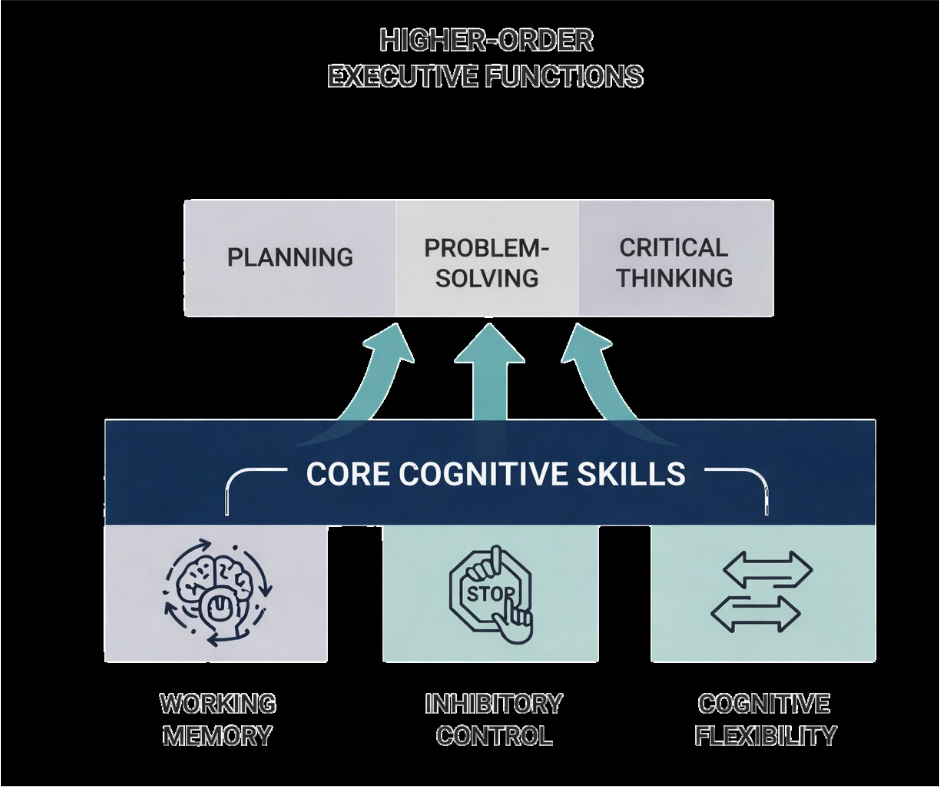
The image above shows that the core executive functions provide the foundation for more complex skills like planning, problem-solving, and critical thinking.
Executive functioning skills help with planning, organization, memory, emotional regulation, and getting things done. For autistic teens, challenges in these areas often affect far more than just homework.
Research shows that executive functioning challenges are linked to lower academic performance in autistic adolescents, even when they understand the material. Many teens know what to do but struggle to start tasks, manage time, or organize their work, which can make school feel exhausting and discouraging.
Executive functioning also affects emotional and social well-being. When mental energy is drained by school demands, there is less left for managing stress, friendships, and daily responsibilities. Over time, this can lead to anxiety, low confidence, and avoidance of challenges.
Long-Term Impact
Executive functioning skills matter well beyond the teen years. Drexel University reports that only about one third of autistic youth were employed in the first two years after high school and that 58% had ever worked by their early 20’s. Difficulties with organization, task initiation, and time management play a major role in this gap.
The good news is that autistic teens can improve executive functioning skills with the right supports. The strategies below are designed to build those skills in practical and realistic ways.
1. Body Doubling

Body doubling means working alongside another person, either in person or virtually, to help start and stay focused on tasks. This strategy reduces the anxiety that often blocks task initiation for autistic teens.
How to Implement It:
- Identify tasks your teen struggles to start.
- Choose a body double (parent, sibling, friend, or classmate).
- Work in the same space while each person does their own task.
- Keep interaction minimal or optional.
- Schedule sessions at the same time each day or week.
Why It Works:
Body doubling lowers the mental load of starting tasks. Knowing someone else is working nearby reduces anxiety and creates gentle accountability. Research shows this shared presence improves focus and follow-through by increasing motivation and reducing stress.
2. Visual Supports Instead of Verbal Reminders

Verbal reminders disappear the moment they’re spoken. Visual supports stay visible and reliable.
Many autistic teens process visual information more effectively than verbal instructions. Challenges with working memory and processing speed mean spoken reminders are easily forgotten, which increases frustration for everyone involved.
How to Implement It:
- Create color-coded schedules or folders.
- Use visual routines or schedules.
- Break tasks into step-by-step visual cards.
Why It Works:
Visual supports reduce memory demands and repeated reminders. This increases independence and reduces parent-teen conflict while supporting executive functioning skills.
3. Break Tasks Down Smaller Than You Think
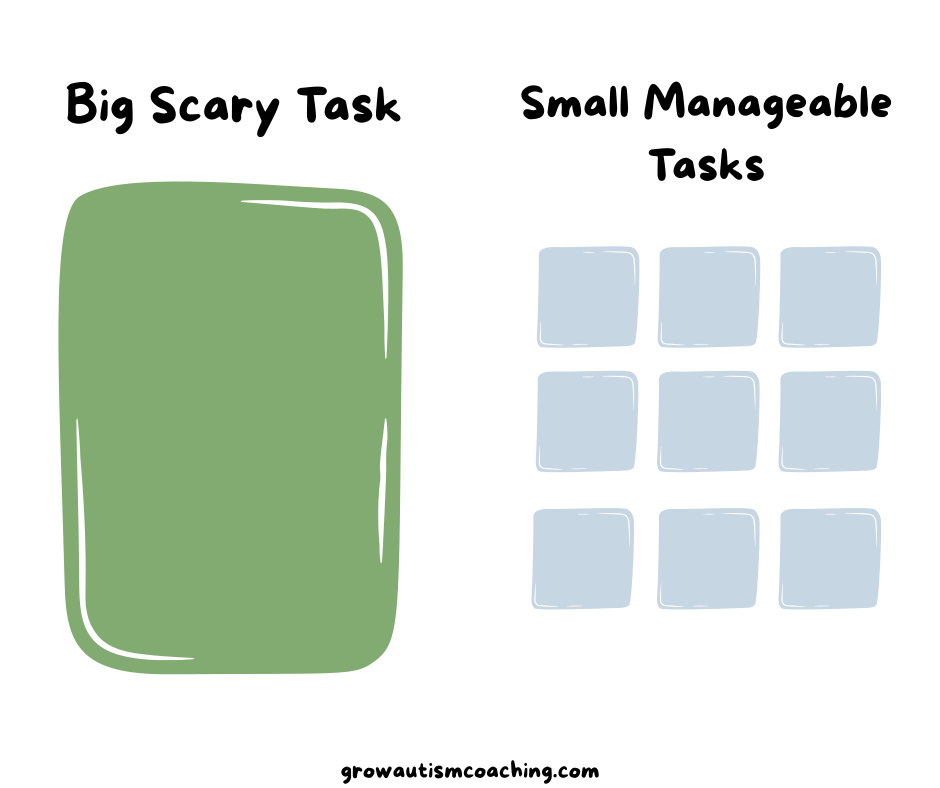
“Do your homework” sounds like one task, but it often includes many steps. Autistic teens may struggle with task initiation when tasks feel vague or overwhelming.
Breaking tasks into clear, concrete steps improves initiation and follow-through. Research shows executive functioning challenges are closely linked to academic difficulties when tasks require planning and sustained effort.
How to Implement It:
Instead of “clean your room,” try:
- Put dirty clothes in the hamper
- Put books on the desk
- Make the bed
Why It Works:
Small steps feel manageable. Each completed step builds confidence and momentum, making it easier to keep going.
4. Build Routines Around Sensory Regulation

Executive functioning depends on nervous system regulation. Sensory overload or under-stimulation can quickly shut down planning, organization, and focus.
How to Implement It:
- Create a sensory menu with movement, deep pressure, and calming tools.
- Schedule sensory breaks before demanding tasks.
- Use sensory supports during work time (fidgets, movement breaks, low-sensory spaces).
Why It Works:
When the body is overwhelmed, the thinking brain struggles to function. Adding sensory regulation into routines helps the brain stay ready to learn. Research shows that visual supports and planned breaks improve focus and task completion for neurodivergent teens.
5. Body Awareness Check-Ins

Before starting tasks that require focus or planning, it helps to check basic body needs. Many autistic teens notice hunger, fatigue, or sensory overload later than others.
How to Implement It:
- Pause before tasks and ask simple body check-in questions.
- Notice the need for food, water, movement, or quiet.
- Meet the need before starting work.
- Use a visual checklist
Why It Works:
When the body is dysregulated, executive functioning skills are harder to access. A quick check-in prevents overwhelm from building and supports better focus and follow-through.
How an Executive Functioning Coach Can Help
An executive functioning coach helps autistic teens build real-life skills for planning, organization, time management, and emotional regulation. Coaching focuses on practical strategies. Many families work with an executive functioning coach when school supports aren’t enough or when stress and shutdowns increase at home. Coaching provides personalized tools and accountability.
Creating Your Action Plan
Trying to use all five strategies at once can feel overwhelming. Start small and build over time.
Week 1–2: Choose One Strategy
- Trouble starting work → Body doubling
- Forgetting steps → Visual supports
- Feeling overwhelmed → Task breakdown
- Frequent meltdowns → Sensory regulation
- Inconsistent focus → Body awareness check-ins
Use one strategy consistently for two weeks.
Week 3–4: Adjust and Add
- Use the strategy daily at the same time if possible.
- Adjust timing, format, or steps if needed.
- Add a second strategy once the first feels easier.
When to Get an Executive Functioning Coach:
These strategies help many teens, but an executive functioning coach may be needed if:
- Tasks regularly lead to shutdowns or meltdowns
- Schoolwork isn’t getting done despite support
- Anxiety or conflict keeps increasing
What to Look for in an Executive Functioning Coach
- Experience with autistic teens
- Understanding of sensory and emotional regulation
- Neurodiversity-affirming approach
- Clear goals and progress tracking
Grow Autism Coaching is neurodiversity-affirming and the coaches have real experience with autistic teens and young adults. Click here for a free consultation to see how coaching can help you or your family.
Next Steps
Start with one strategy that fits your teen’s biggest challenge. Build slowly and adjust as needed. Executive functioning skills develop into adulthood, and progress is rarely linear.
If your teen continues to struggle, working with an executive functioning coach who specializes in autism support for teens can help personalize strategies and reduce daily stress.
FAQs
Q: Can executive functioning skills improve with age?
Yes! Executive functioning continues developing into adulthood, especially with consistent support.
Q: Are these strategies helpful for college students?
Yes! Many autistic college students rely on these same tools for independence and workload management. Here is a guide specifically for adults with autism.
Q: Is an executive functioning coach helpful for teens?
Many families find coaching provides personalized strategies and accountability beyond school support.
Q: Is executive functioning coaching only for school-related issues?
No. Coaching can support daily living skills, routines, emotional regulation, transitions, and independence skills needed for adulthood, college, or employment.
Q: What is the cost for an executive functioning coach?
Prices depend on the provider but range between $60-$150 per session. Click here if you would like to schedule a free consultation call with me to talk about what coaching could look like for you or your teen!
