
Utah Disability Services Guide: Programs, Support, and Where to Start
Did you know that more than 611,000 people in Utah are currently living with a disability? If your child was just diagnosed, you've recently moved to the state, or you've been trying to figure out this system for a while - you are not alone and you are in the right place.
Disability services in Utah can feel overwhelming. There are acronyms you've never heard, waitlists nobody warned you about, and phone numbers that seem to lead nowhere. Most parents describe the early days after a diagnosis as drinking from a firehose: too much information, not enough guidance on what actually matters.
This guide cuts through the noise. Whether your child has autism, down syndrome, a physical disability, or a cognitive disability, we've organized the most important programs and resources in Utah into one place: by category and contact information included.
While this is primarily written for parents and families, this guide is also a helpful reference for adults with disabilities in Utah who are navigating services and supports on their own.
In this article, you'll learn about:
- The Division of Services for People with Disabilities (DSPD) & how to get on their radar
- Utah Medicaid Waiver Programs
- Employment Support in Utah
- Assistive Technology Resources in Utah
- Financial Benefits for Individuals with Disabilities in Utah
- Housing and community living options
- Legal advocacy and your rights in Utah
- Community connection and peer support
1. Start with DSPD: Utah's Primary Disability Support Agency
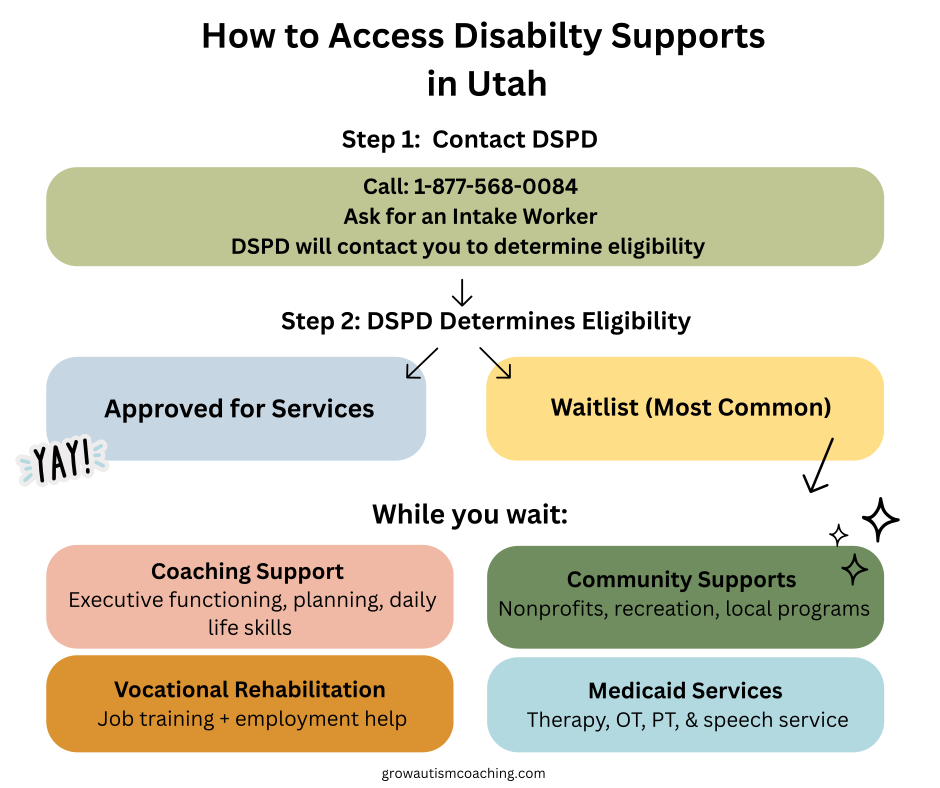
The Division of Services for People with Disabilities (DSPD) is the backbone of adult disability services in Utah. Operated under the Utah Department of Health and Human Services, DSPD currently serves more than 7,000 Utahns with intellectual disabilities, physical disabilities, autism, and brain injuries.
DSPD funds a wide range of support services including community living, day programs, and supported employment. Think of it as the front door to most publicly funded disability support in the state.
How to Apply: Call the toll-free intake line at 1-877-568-0084 and ask for an Intake Worker. They will gather your information and begin the eligibility process.
The Waitlist Reality: There is a significant waitlist, demand currently outpaces available funding. The Utah Legislature appropriated $6 million in new funding in 2025 to help address this backlog, but applying early is critical. Your place on the list matters, and while you wait, many other supports in this guide can still help.
Resource: Visit dspd.utah.gov or call 1-877-568-0084 to start your application.
2. Medicaid Waivers: Funding Flexible, Real-Life Support
Medicaid waivers are special programs that allow Utah to use Medicaid funds for home and community-based services, instead of only institutional care. For many adults with disabilities, these waivers are the key to getting real, day-to-day support.
Utah's New Choices Waiver and Community Supports Waiver cover individuals with intellectual disabilities, developmental disabilities, and autism. Covered services can include respite care, supported employment, behavioral therapy, environmental adaptations (like wheelchair ramps), transportation, and attendant care.
ASD-related services are also available to all eligible Medicaid members with an autism diagnosis, regardless of age, and do not require a separate waiver. If your loved one is on Medicaid and has an ASD diagnosis, some services are available now, without waiting for a waiver slot.
How to Access: Eligibility runs through DSPD for most waivers. Contact them at 1-877-568-0084. For autism-specific Medicaid services, visit medicaid.utah.gov
Pro Tip: Use the Utah Disability Directory at utahdisabilitydirectory.org to search providers by waiver type and county.
3. Vocational Rehabilitation: Real Jobs, Real Support
Many adults with disabilities want to work and with the right support, they absolutely can. Utah's Vocational Rehabilitation (VR) program, run through the Utah State Office of Rehabilitation (USOR), helps individuals with disabilities prepare for, find, and keep meaningful employment.
VR services can include career counseling, job coaching, job placement, skills training, and assistive technology for the workplace. Utah also offers two pathways specifically for state government employment: the Alternative State Application Program (ASAP) for non-competitive review, and the Work Ability Internship (WAI) for paid internship experience within state agencies.
How to Apply: Contact VR at 1-866-454-8397 or visit jobs.utah.gov/usor/vr
Did You Know? VR also offers UWIPS (Utah Work Incentives Planning Service) to help you understand how working affects your SSI or SSDI benefits so you can earn income without losing critical supports.
4. Assistive Technology: Tools That Build Independence
Assistive technology (AT) refers to any device or system that helps a person with a disability perform tasks more independently. This can range from communication apps and adaptive keyboards to power wheelchairs and home modification equipment.
The Utah Assistive Technology Program (UATP), housed at Utah State University, provides evaluations, devices, training, and coordination services statewide. If cost is a barrier, the Utah Assistive Technology Foundation (UATF) works with Zions Bank to offer low-interest loans from $500 to $50,000 for AT purchases, including adapted vehicles, wheelchairs, hearing aids, communication devices, and home modifications.
Resources:
• UATP: idrpp.usu.edu/uatp — statewide evaluation and device services
• Contact UATP for UATF loan and grant applications
5. Financial Benefits in Utah:
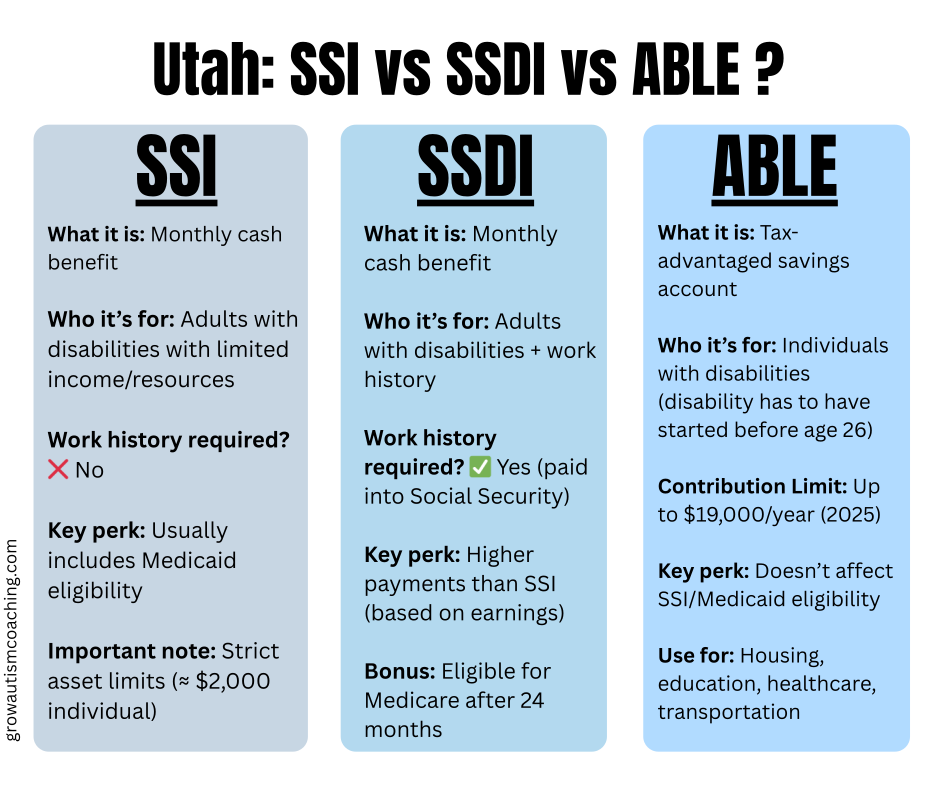
Two main federal programs apply to adults with disabilities. SSI (Supplemental Security Income) is need-based and available to adults with limited income and resources, regardless of work history. SSDI (Social Security Disability Insurance) is based on work history and requires prior Social Security contributions. Some adults may also qualify for Disabled Adult Child (DAC) benefits through a parent's record.
One of the most important and underused tools in Utah is the ABLE Account. ABLE accounts allow individuals with disabilities to save up to $19,000 per year (2025) without losing SSI or Medicaid eligibility. Funds can be used for education, housing, transportation, and healthcare. Utah has its own ABLE program and it can be a game-changer for financial security.
Resources:
• Apply for SSI/SSDI at ssa.gov or your local Social Security office
• Learn about ABLE Utah at https://ableut.com
• Utah Work Incentive Planning Services can help you understand how income affects your benefits at jobs.utah.gov/usor
Extra Note: As of July 2024, Utah launched an ongoing Caregiver Compensation program allowing parents, step-parents, legal guardians, and spouses who provide extraordinary care to a family member with a disability to be paid for that care. This is a major development for families who have long provided unpaid support.
See details here: dspd.utah.gov/caregiver-compensation
6. Housing and Community Living Options

Utah's DSPD funds several housing and community living options designed to fit different levels of need. Supported Living helps individuals live in their own home or apartment with staff support for daily tasks. Host Home programs pair a person with a disability with a trained provider family. Community Living options include group homes and residential habilitation services. DSPD is the funding source, many different organizations across Utah actually deliver these services, so you have the ability to choose a provider that feels like the right fit for you.
Resources:
RISE Services:
Offers supported living and residential group homes for adults with developmental disabilities.
Website: riseservicesincut.org
Locations: Offices are located in Orem, Taylorsville, Price, Vernal, Logan, Ogden, Roosevelt, St. George, and Tooele
Buddies4Life
Offers group homes, host homes, and adult day programs specifically for people with autism and intellectual disabilities.
Website: buddies4life.com
Locations: Utah County, Salt Lake County, Davis County, and Weber County
Together We Shine
Offers host home family programs and day support programs for adults with DSPD funding along the Wasatch Front.
Website: togetherweshineutah.com
Locations: Utah County, Salt Lake County, Davis County, and Weber County
CTA Community Supports
Offers a Host Home program that connects an adult with a disability with a trained provider who welcomes them into their own home as part of daily family life. They also have over 30 residential group homes.
Website: ctasupports.com
Locations: Host home services are Salt Lake and Utah Counties. Their residential, day, and family services programs reach from Davis to Utah Counties
7. Legal Rights & Advocacy: Know Your Rights
Your child has legal rights and knowing those rights gives you real power to advocate for the services and supports they deserve.
Utah Independent Living Center offers peer support, individual advocacy, life skills training, and help navigating systems like housing, transportation, benefits, and community services. Many of their advocates are people with disabilities themselves, which means they bring lived experience alongside professional knowledge. They serve Salt Lake, Summit, and Tooele counties.
Also Available: Disability Law Center: Utah's federally funded Protection & Advocacy agency. They provide free legal assistance for issues like Medicaid denials, housing discrimination, and guardianship alternatives.
Resources:
- Utah Independent Living Center: uilc.org
- Disability Law Center: disabilitylawcenter.org
8. Community Connection and Peer Support
Isolation is one of the most common and underreported challenges facing adults with disabilities. Community connection is not a luxury, research consistently shows it has a direct impact on mental health, physical health, and overall life satisfaction.
The Family to Family Network (FtoFN), run through the Utah Parent Center, is a statewide volunteer-run peer support network for families of people with disabilities. Organizations like Partners in Autism offer free and low-cost social groups specifically for autistic adults. The National Ability Center in Park City and Common Ground in Logan offers adaptive recreational programming including skiing, cycling, and kayaking for people of all abilities.
Don't underestimate the power of finding your people. Peer support can be just as valuable as any formal service.
Resources:
- Family to Family Network: utahparentcenter.org
- Partners in Autism: partnersinautism.com
- National Ability Center: nac1.org
- Common Ground: https://cgadventures.org/
# 9. Disability Coaching: A Support Most Families Haven't Heard Of (But Should)
Disability coaching is a one-on-one partnership between a trained coach and a person with a disability, a parent, or both. It's forward-focused and strengths-based, built around your goals, not your diagnosis. Unlike therapy, which processes the past, or case management, which coordinates services for you, coaching builds your capacity to plan, advocate, and act for yourself.
For parents, coaching helps you navigate the Utah service system, prepare for IEP meetings, plan for transitions, and build the confidence to advocate effectively for your child. For adults with disabilities, coaching supports goal-setting, self-advocacy, employment preparation, and building independence. Research shows coaching-based parent support programs meaningfully reduce stress and increase parenting confidence. Children also benefit when their parents feel equipped.
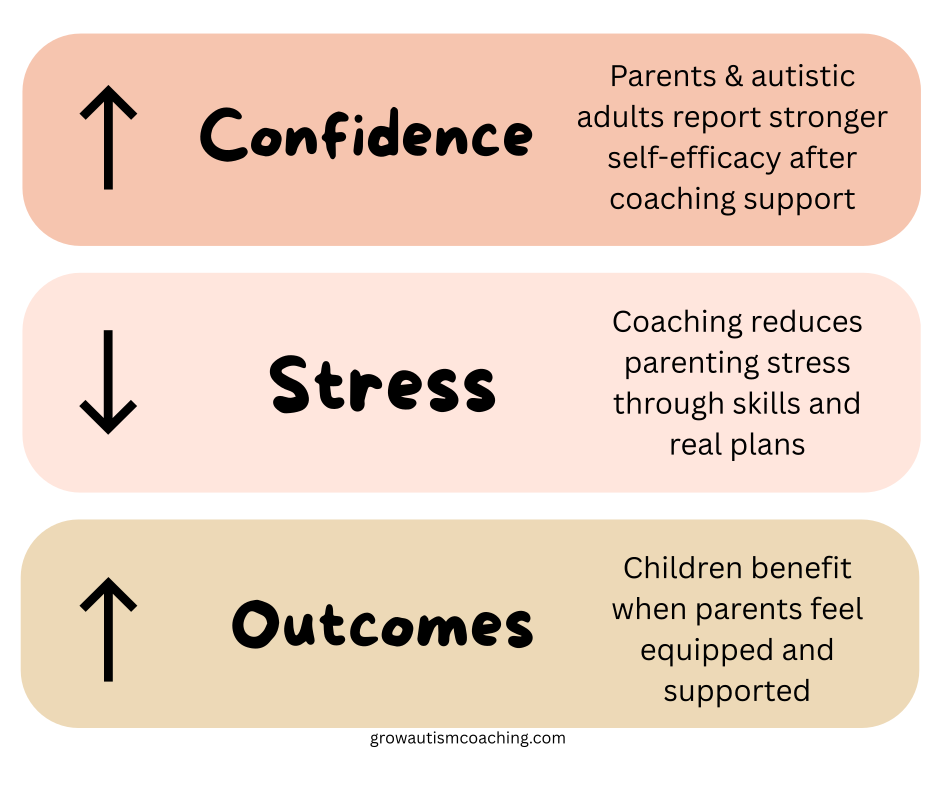
Coaching works best alongside the programs in this guide, as the glue that helps everything fit together. It's especially valuable while on a DSPD waitlist, after a new diagnosis, or during any major life transition. Whether you're brand new to a diagnosis, just moved to Utah, or have been navigating the system for years and feel stuck, Grow Autism meets you where you are with a practical, personalized plan.
Resources:
- Grow Autism Coaching: growautismcoaching.com
🌟 Bonus Tip: Apply to DSPD Before You Think You Need To
Apply to DSPD early, even if you're not ready for services yet. Because of the waitlist, many adults and families wait until a crisis point before reaching out, only to discover they must wait months or even years for support.
Getting your name on the DSPD list now means you'll be much better positioned when circumstances change. Aging parents, transitions out of school programs, or new support needs can happen quickly. Apply now, stay in contact with DSPD about any changes, and build your plan before you urgently need one.
Where to go From Here
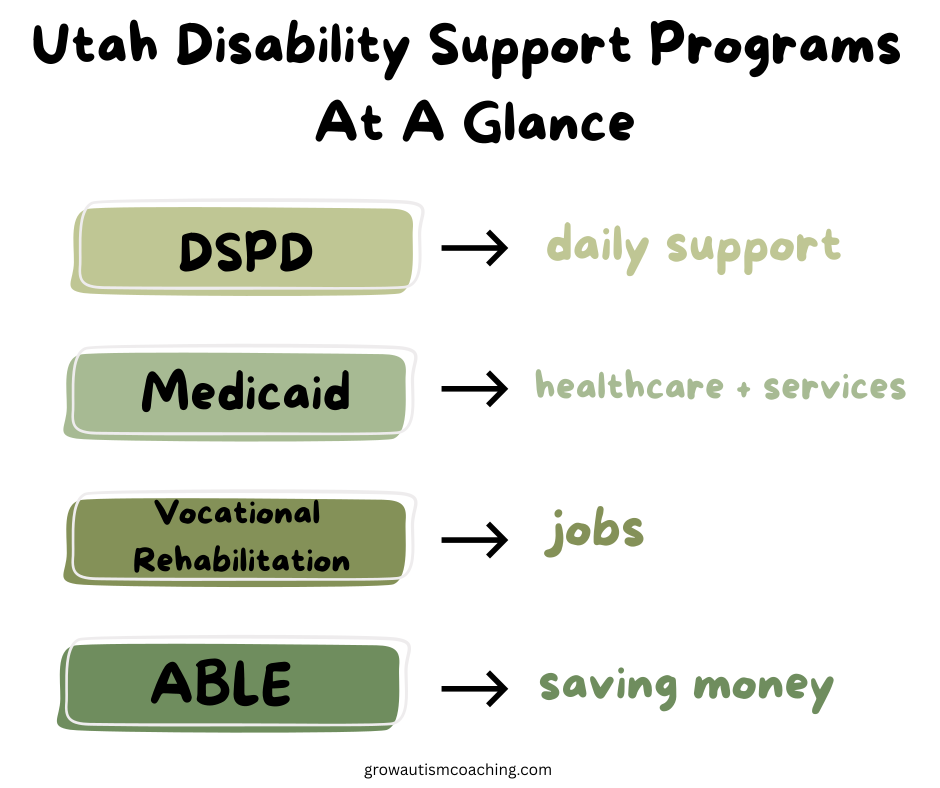
Navigating disability services in Utah is not simple, but it doesn't have to be overwhelming either. The key is knowing where to start and taking one step at a time. Start with DSPD. Explore your Medicaid options. Connect with vocational rehabilitation if employment is a goal. Protect your financial benefits with an ABLE account and don't forget the power of community: peer support and advocacy organizations are some of the most valuable resources available.
You or your loved one deserves full access to a meaningful and connected life. These programs exist because that is possible. If you'd like personalized support navigating these options consider scheduling a free coaching consultation call here.
Frequently Asked Questions (FAQs)
Q: How do I know if I qualify for DSPD services?
DSPD serves adults with intellectual disabilities, physical disabilities, autism, and brain injuries. Eligibility is determined after you contact an Intake Worker at 1-877-568-0084. Eligibility does not guarantee immediate services, most people are placed on a waitlist first.
Q: What if my adult child is on the DSPD waitlist? Is there any help available in the meantime?
Yes. While waiting, families can access ASD-specific Medicaid services (if applicable), apply for Vocational Rehabilitation, connect with the Family to Family Network, explore assistive technology resources, and research ABLE accounts. The Utah Parent Center is an excellent resource for waitlist navigation. You can also reach out to Grow Autism Coaching for personalized support during the waiting period.
Q: Can my adult child work and still receive SSI or Medicaid?
Yes, but it requires planning. Working can affect your benefits depending on how much you earn. The UWIPS program through USOR can help you understand your specific situation and use work incentive strategies. ABLE accounts can also help you save earnings without impacting eligibility.
Q: What is the Caregiver Compensation program and who qualifies?
Launched in July 2024, this ongoing DSPD program allows parents, step-parents, legal guardians, and spouses to be paid for providing extraordinary care to a qualifying family member with a disability. Visit dspd.utah.gov/caregiver-compensation to find out if your situation qualifies.
