
Smooth Summer Transitions for Neurodivergent Kids
Summer: a time often envisioned as carefree days filled with sunshine and spontaneous fun. For many parents, especially those raising neurodivergent children, the reality can feel a little different. The shift from structured school days to a less predictable summer schedule can bring unexpected challenges, leaving parents feeling overwhelmed and children struggling to adapt.
It’s completely normal to feel this way. Just like Syd (an autism coach and previous teacher) who notices that the first couple of weeks of starting a new school year are really hard for her kids due to new routines, the transition into summer can present similar hurdles. Whether it's the start of school or the start of summer, any significant change in routine can be incredibly difficult for neurodivergent children. The good news is, by understanding why these changes are so impactful, we can equip ourselves with practical, science-backed strategies to help our kids not just survive, but truly thrive, through the summer months.
Why Routine Changes Hit Hard: Understanding Neurodivergent Brains
For neurodivergent children, including those with ADHD and autism, routine isn't just a convenience; it's often a crucial scaffolding that supports their daily functioning. When this scaffolding is suddenly altered, it can feel like the ground beneath them has shifted.
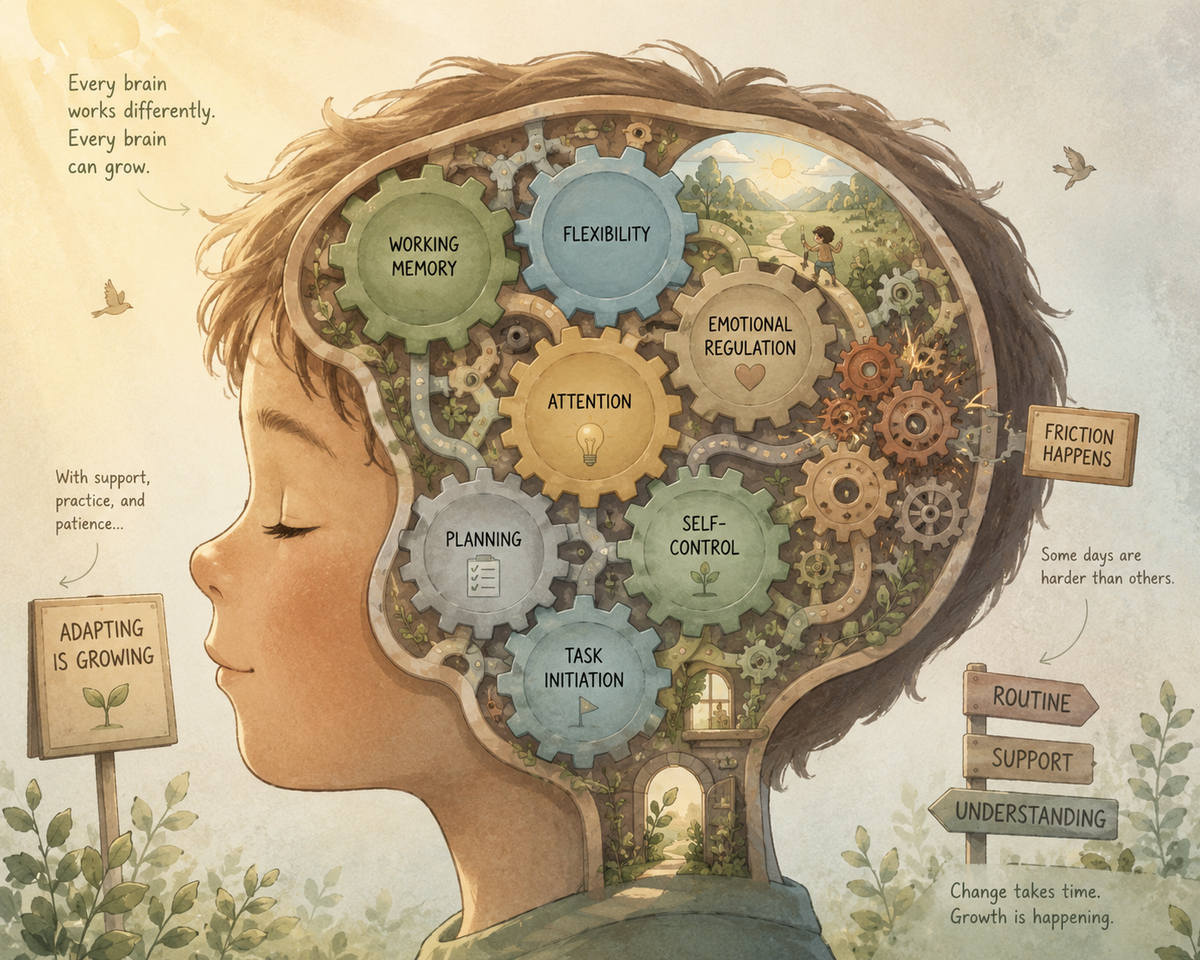
The core reason for this difficulty often lies in executive functioning (EF) skills. Executive functions are a set of mental skills that include working memory, flexible thinking, and self-control. They help us manage tasks, plan, prioritize, and adapt to new situations. For many neurodivergent individuals, these skills can be a significant area of challenge. You can learn more about these vital skills in our post, Executive Functioning Skills Explained and Why They Matter.
- ADHD and Executive Functioning: Children with ADHD often experience difficulties with inhibitory control, working memory, and planning. The sudden lack of external structure during summer can make it harder for them to initiate tasks, manage their time, and regulate impulses. Without the clear boundaries of school, their internal struggles with executive function can become more pronounced, leading to increased disorganization, procrastination, and emotional outbursts.
- Autism and Predictability: Autistic children often thrive on predictability and struggle with unexpected changes. Their brains are wired to seek patterns and consistency, and deviations from established routines can be highly anxiety-provoking. This isn't just a preference; it's a fundamental aspect of how they process the world. The shift from a highly structured school environment to a more fluid summer schedule can trigger significant anxiety and sensory overload, as their brains work harder to make sense of new or inconsistent inputs. The CDC provides information on developmental milestones that can indirectly highlight the need for structure and predictability in autistic children.
- Sensory Processing Differences: Beyond executive function, many neurodivergent children also have unique sensory processing profiles. A change in routine can mean changes in sensory input – different sounds, smells, textures, or visual stimuli associated with new activities or environments. This can lead to increased sensory overload or discomfort, further contributing to dysregulation.
These underlying neurological differences mean that what might seem like a minor adjustment to one child can be a monumental challenge for another. It’s not a matter of willpower; it’s a matter of brain wiring. Understanding this is the first step toward offering truly effective support.
Common Ways Kids React to Summer Shifts (It's Normal!)
When routines change, the impact on executive function and sensory systems can manifest in various ways. It's crucial for parents to remember that these reactions are often expressions of distress, not defiance. You might notice:
- Increased Meltdowns or Tantrums: A lower frustration tolerance and difficulty regulating emotions are common.
- Anxiety and Worry: Questions about "what's next?" or heightened clinginess can signal internal unease.
- Sleep Disturbances: Difficulty falling asleep, waking frequently, or changes in sleep patterns as their internal clock adjusts or anxiety builds.
- Resistance to New Activities: Even fun activities can be met with resistance if they deviate too much from what's known or expected.
- Difficulty with Self-Regulation: More impulsivity, trouble staying on task, or increased hyperactivity for children with ADHD.
- Regression in Skills: Temporary loss of previously mastered skills (e.g., potty training, dressing themselves) under stress.
- Changes in Appetite or Eating Patterns: Stress can impact digestive systems and eating habits.
Recognizing these behaviors as normal responses to a challenging situation can help parents respond with empathy and patience, rather than frustration.
Practical Strategies for a Smoother Summer Transition
While the challenges are real, there are many proactive steps you can take to create a summer that balances structure with flexibility, supporting your child's unique needs.
Start Small & Early: Gradual Shifts
Don't wait until the first day of summer break to change everything. Begin making small, incremental adjustments to sleep schedules, meal times, and activity levels a week or two before school ends. For instance, if summer bedtime will be later, shift it by 15 minutes every few days. This gentle "fade-in" approach allows your child's brain and body more time to adapt.
Visual Schedules & Predictability
Visual schedules are powerful tools for neurodivergent children because they provide concrete, predictable information about what to expect. This reduces anxiety and helps with transitions.
- Create a Summer Schedule: Work together to create a visual schedule for the day or week. Use pictures, symbols, or simple words. Post it in a prominent place.
- Incorporate "Choice Time": Within the schedule, include blocks for "choice time" or "free play" to offer a sense of autonomy within structure.
- Review Daily: Go over the schedule each morning. Talk through any changes in advance.
- Use Transition Warnings: Give verbal and visual warnings before a transition (e.g., "5 more minutes until clean-up," then show a timer).
For more detailed strategies on supporting executive function, check out our guide on Executive Functioning Skills for Autistic Teens: Strategies That Actually Work.
Build in Flexibility (Within Structure)
While predictability is key, summer also offers opportunities for flexibility. The goal isn't rigidity, but rather a predictable framework that can accommodate some variation.
- "Flex Zones": Designate certain times or days as "flex zones" where activities are less structured or chosen on the fly.
- Plan for the Unexpected: Talk about how plans might change. "Sometimes, rain means we have to change our park plans. What's our backup idea?"
- Offer Choices: Empower your child by giving them choices within the schedule. "Would you like to read before or after snack time?"
Prioritize Sensory Needs
The shift in routine can bring new sensory experiences. Be mindful of your child's sensory profile.
- Create Sensory-Friendly Spaces: Ensure there's a quiet, calming space available for your child to retreat to when feeling overwhelmed.
- Plan Sensory Breaks: Incorporate planned sensory activities throughout the day, whether it's swinging, jumping, listening to calming music, or playing with fidget toys.
- Pack a Sensory Kit: If going out, bring along headphones, preferred fidgets, or a comfort item.
Empower Through Choice
Giving your child a voice in their summer plans can significantly increase their buy-in and reduce resistance.
- Collaborate on Activities: Involve them in choosing some summer activities or outings.
- Let Them Lead: Within reason, allow them to choose the order of some tasks or activities.
Maintain Key Supports
If your child benefits from therapy or specific support services during the school year, try to continue them through the summer if possible. Consistency here can provide a much-needed anchor.
- Summer Therapy: Check if therapists offer summer sessions.
- Social Skills Groups: Look for summer social skills groups or camps that cater to neurodivergent children.
- Connection to School Staff: If your child has an IEP, remember your rights under A Parent’s Guide to IEPs, 504s, IDEA, and FAPE. While summer services are generally limited, understanding your options is important.
Focus on Connection & Play
Amidst all the planning, don't forget the joy of summer. Prioritize unstructured playtime, laughter, and simply being together. Sometimes, the best support we can offer is our presence and unconditional love. Remember, you're not lazy, and neither is your child; understanding Why ADHD & Autism Make Everyday Tasks So Hard is key to finding compassion and effective solutions.
When to Seek Extra Support
If, despite your best efforts, your child continues to struggle significantly, or if their behaviors are impacting their well-being or your family's daily life, it's okay to seek professional guidance. A specialist can offer personalized strategies, behavioral support, or help you explore additional resources. You don't have to navigate these challenges alone.
Ready for a smoother summer? Book a Free Consultation to discuss personalized strategies for your child and explore how we can support your family in creating a joyful, manageable summer break.
